Lorry News
UK HGV Levy 2026: What the Latest Rates Mean for Hauliers
Anyone running a goods vehicle over 12 tonnes on UK roads will meet the HGV levy sooner or later — usually as a line on the same bill as the vehicle tax. It faded from view while it was suspended during the pandemic, but it has been back for a while, and the band structure it returned under is what shapes hauliers' costs today. Whether you run one tipper out of a yard in Ayrshire or a hundred tractor units shuttling between Dover and Duisburg, the mechanics are the same. Get the band wrong and you are either overpaying every month or running without valid cover.
What the HGV levy is — and who pays it
The levy is a time-based charge on goods vehicles with a gross plated weight over 12,000kg that use UK roads. It is not a toll and not a permit. It is paid for a period, and the vehicle needs a valid levy for the whole time it is on the road.
There are two payment routes, and they matter:
- UK-registered vehicles pay the levy at the same time as vehicle tax (VED), for the same period. It arrives on one bill and is renewed together.
- Non-UK vehicles pay separately through the official levy service before the vehicle is used in the UK, choosing a day, week, month or year.
Enforcement happens at the roadside and at ports, with number plate recognition doing much of the background work. A vehicle caught without a valid levy for the period is treated as unlevied — and that applies whether the shortfall was deliberate or a clerical slip.
How the bands are built
Three variables decide which band a vehicle falls into. Two are fixed when you buy the truck; one you can still influence.
Weight
Bands run in steps upward from 12 tonnes to the top of the range. Two rigids that look identical in the yard can sit in different bands purely because one is plated heavier.
Axle configuration
Axle count and layout also feed into the band, because load spread affects road wear. A tractor unit and a rigid at similar weights can end up charged differently, so check the plate rather than the sales brochure.
Emissions standard
Cleaner engines pay less. Euro VI and newer vehicles attract a discount against older Euro classes, which means the age profile of your fleet quietly sets part of your annual bill. It is the one lever a fleet can still pull — by buying newer units, retiring the oldest, or weighing a rebuild against a replacement.
What the current rates mean for UK fleets
For UK operators the levy is mostly a cashflow question rather than a surprise. It lands with the VED renewal, and renewals are predictable. The awkward moments come at the edges of the year.
Buy a truck in June and you pay the levy from the start of that month, even if the previous keeper's levy ran to December — vehicle tax and levy do not transfer with the keys. Sell or scrap a vehicle and you can claim back the unused full months, which on a large unit is worth chasing rather than writing off. Put a vehicle on SORN and the levy stops, but so does any legitimate use of it, including a run to the test station.
Fleets running mixed ages should watch the emissions split closely. A tidy Euro V tractor can cost more per year than a Euro VI of the same weight, and across ten units that gap starts to influence replacement decisions more than most operators expect.
What foreign hauliers need to know
Non-UK operators have to buy the levy before the wheels roll onto UK soil. In practice that means sorting it before the ferry or shuttle booking, not at the port with a queue behind you. Short-duration options exist precisely for operators making occasional trips, while the annual option usually suits anyone with regular UK work.
Keep the confirmation in the cab. Enforcement officers will ask for evidence of a valid levy, and a PDF sitting in an office inbox several hundred miles away is no help at the roadside. The levy also sits alongside, not instead of, other rules covering international haulage — a valid levy does not resolve questions about permits or cabotage.
Exemptions worth knowing
The exemption list is narrower than most people assume. It typically covers vehicles such as:
- Gritting and snow-clearing vehicles
- Mobile cranes
- Fire and rescue vehicles
- Vehicles used by the armed forces
- Vehicles kept off the public road, including those on SORN
- Vehicles that qualify as historic and are exempt from vehicle tax
Read the official list literally before assuming you are covered. Specialised vehicles are the ones most often caught out, and "it never leaves the site" only holds if it genuinely never touches a public road.
Practical steps for your next renewal
- Confirm the plated gross weight and axle configuration from the vehicle plate and the V5C.
- Check the emissions standard on the documentation rather than from memory.
- Look up the current levy table for that exact combination before the renewal date.
- Diarise the levy and VED together so they are handled as one job.
- On a purchase or sale, arrange the new levy and any refund in the same week.
- For non-UK vehicles, buy before booking the crossing and store the proof in the cab.
If a fleet sits close to a band boundary, it is worth asking whether the vehicles are plated heavier than the work actually requires. Downplating is not always straightforward, but the question is cheaper to ask before renewal than after.
Getting it right first time
The levy punishes guesswork. Underpaying is not treated as a partial payment; it is treated as no levy at all, and the penalty conversation that follows costs far more than the difference in bands. Keep the paperwork, keep the dates in one place, and treat the levy as part of the cost of the vehicle rather than an annual annoyance.
If your circumstances are unusual — mixed fleets, specialist vehicles, cross-border operations, or a disputed penalty — check the official guidance first and, where money or penalties are at stake, take advice from your trade association or a transport solicitor. Band tables and rates are updated from time to time, so the figure that applied last year is not automatically the figure that applies now.
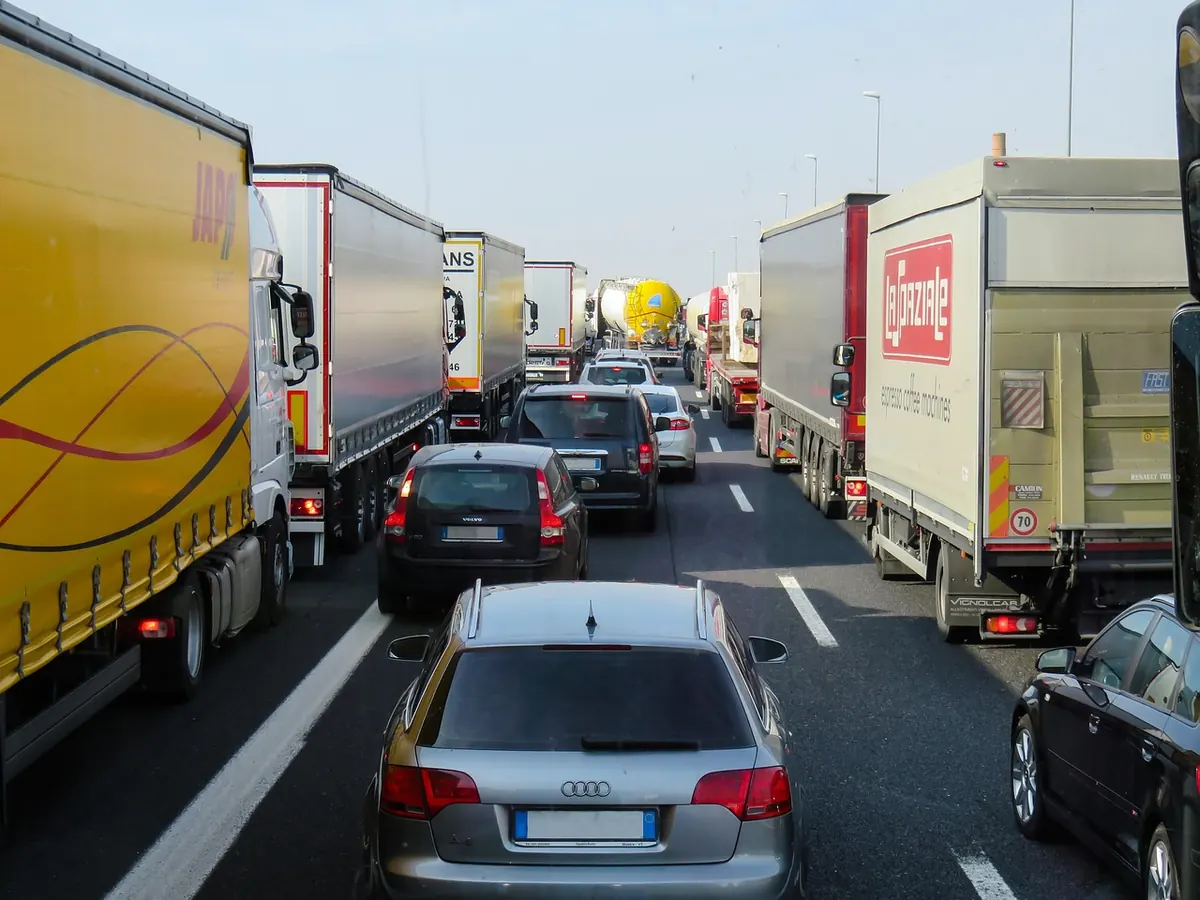
Photo: garten-gg / Pixabay
Related Articles